After our conversation · May 12, 2026 · Hypenotic for the Greenbelt Foundation

Greenbelt Foundation
Strategic Comms

From now to December: three audiences, three strategies, one coordination layer. Here's how we'd run it — based on one conversation and the research we did for the initial response — and what we'd leave the Foundation with afterward.

Make the Greenbelt the signature, not the headline.

The approach we'd run: come at each audience through what they already care about, and over time help them see how the thing they're invested in is connected to the Greenbelt.

The connection has to be tangible — something each audience can feel a degree of ownership over. In a fragmented media landscape, during polarizing, rapidly changing, pressure-cooker times, that's the better shot at reaching audiences who don't share platforms, don't share interests, and increasingly don't share rooms.

You become the institution organizing, supporting, connecting. Not the whole story. Not for all audiences. Not all the time.

Principle · Trojan mice

Trojan mice. Many small, specific, useful things that each embed the Greenbelt a little deeper into a different community's operating reality.

Nobody argues against a soil health factsheet or a trail open house. Done well, they endear people toward you. They reflect on you as a leader. Convener. After a while, the Greenbelt is in the farmer's rotation plan, the councillor's asset register, and the hiker's weekend routine.

It's like a good version of a mystery: at some point the protagonists start to connect the dots and see who's been behind a number of the guiding aspects of their lives.

Four audiences. Four doors.

Each audience gets approached through the thing they care about. The Greenbelt arrives later, on terms they'd already adopted for their own reasons.

Municipalities
We enter through asset planning, stormwater, and budget defensibility. The Greenbelt arrives as infrastructure already on the balance sheet.
Policymakers
We enter through food security, economic resilience, and jobs. The Greenbelt arrives as a regional production system worth defending.
Residents
We enter through trails, recreation, and the feeling of place. The Greenbelt arrives as the place they already walked.
Farmers
We enter through soil practice, peer evidence, and farm viability. The Greenbelt arrives as the conditions for keeping the operation going.

Three initiatives. Three strategies. One coordination layer.

Each of the three core asks in the RFP gets its own strategy and tactics. The audiences are completely different — and within each, segments need to be addressed differently again. Messaging architecture and language live in one place; the work travels through distinct tabs.

Each initiative is at a different stage of communicative maturity — forming a constituency, normalizing a category, or amplifying a practice that already works — and the comms work calibrates to where each one actually is.

Audience
Residents, trail users, conservation partners, local businesses, municipalities along the route, Indigenous partners. Segmented further by region, by relationship to the land, by likely level of engagement.
Strategic angle
The engagement builds the constituency that will eventually speak for the place. There's nothing yet to promote — and people defend trails they helped shape, the ones they got to know directly.
Tactical priorities
  • Build out in the open — a SaaS-style move: report plans, progress, and decisions publicly. Knowing what you're doing is a kind of investment.
  • Make participation visible. Map the emerging community as it forms.
  • Co-creation devices: ways for people to shape, not just respond.
  • Repeat-use moments — invite people back into the process more than once.
Consideration
The ORM Trail Strategy centres Indigenous leadership structurally — embedded in the strategy from the start. The comms work follows that lead and supports it; the strongest signal is restraint, knowing the difference between supporting and narrating.
Shared

What the three initiatives share.

Three strategies; one coordination layer. The infrastructure that holds the streams together — and lets each one run on its own audience logic — lives in one place. Distinct tabs, common spine.

Message Architecture
One source · Distinct tabs
Editorial Calendar
Coordinated · Cross-stream
Evaluation Framework
In-flight, through the engagement
CRM / Database
See note below
Report-Framing Patterns
Reusable across initiatives
On the database question
Talking with the policy team — comms wasn't in the room — the interest read more like CRM capability than a classic data layer: contact intelligence, segmentation, fundraising-style relationship tracking. Worth confirming what the comms team actually needs when they're at the table.
On social media
Worth its own conversation. Done well, social is profile-building. Voices in a field, made visible to each other, so a community that doesn't yet know it's one starts to see itself. We taught Wayne Roberts the skills that grew his Twitter following past a hundred thousand — and that following became a real asset for the food movement, carrying his credibility into rooms the institution couldn't reach on its own. For the Foundation: ask who should have profile — staff, partner orgs, practitioner voices — and let the channel mix follow each audience. Different platforms reach different people; strategy picks the channel.

We've been training this muscle for 25+ years.

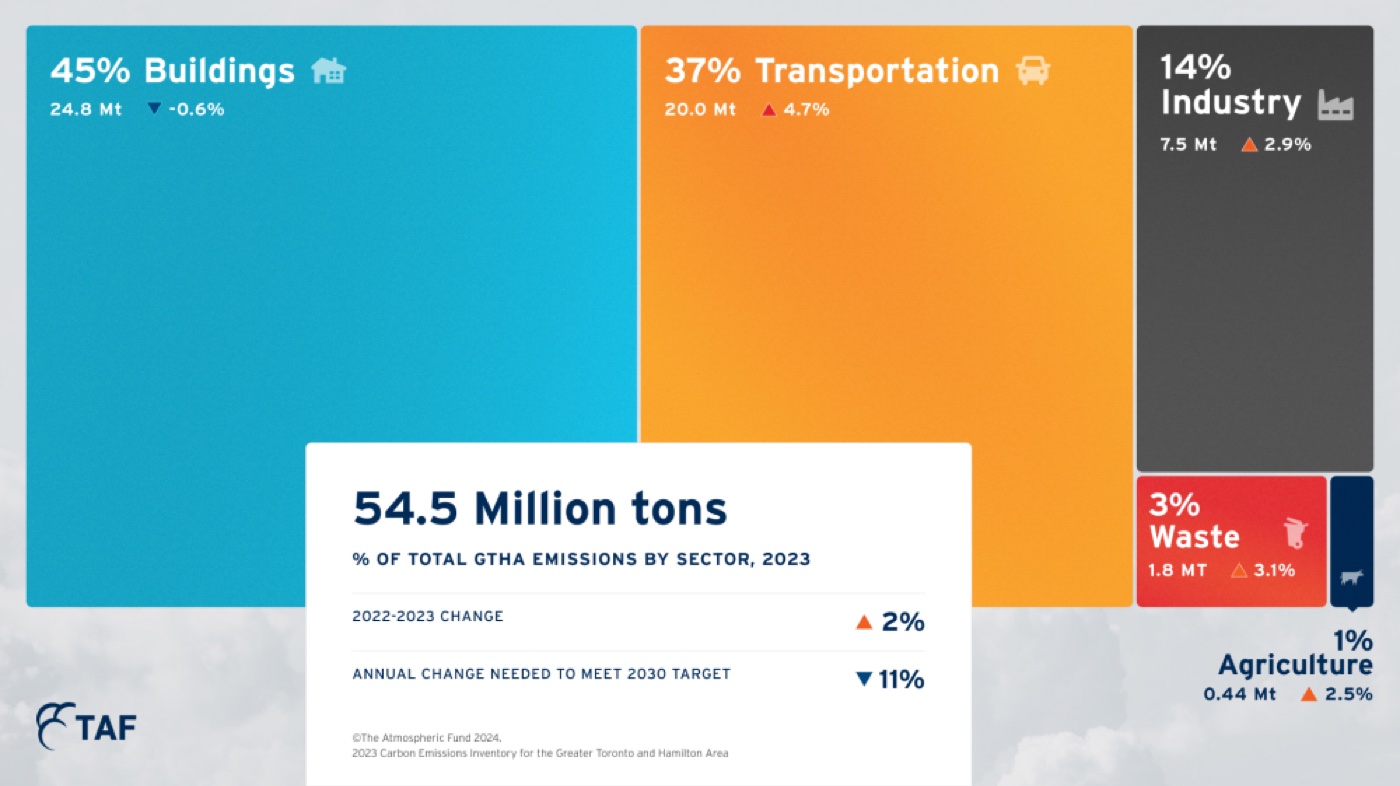
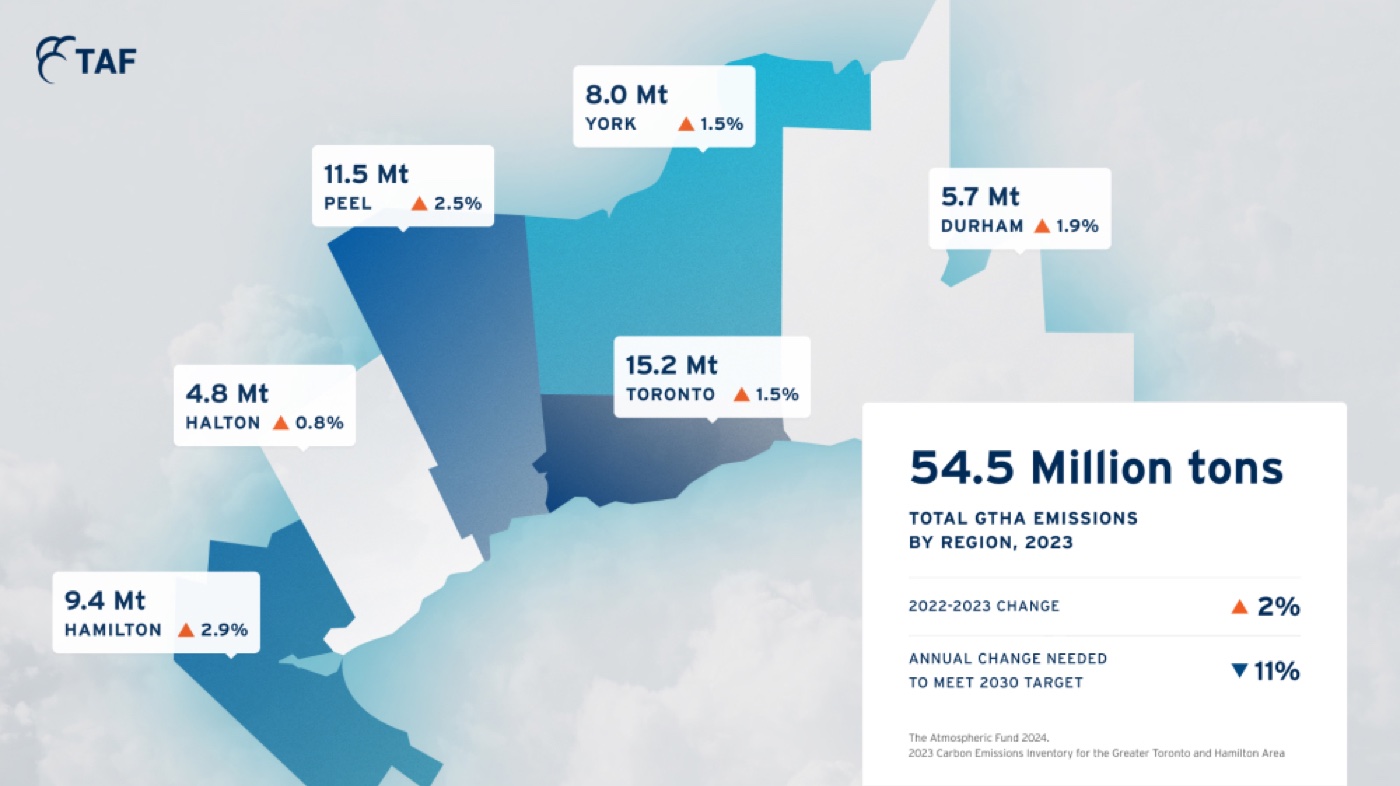
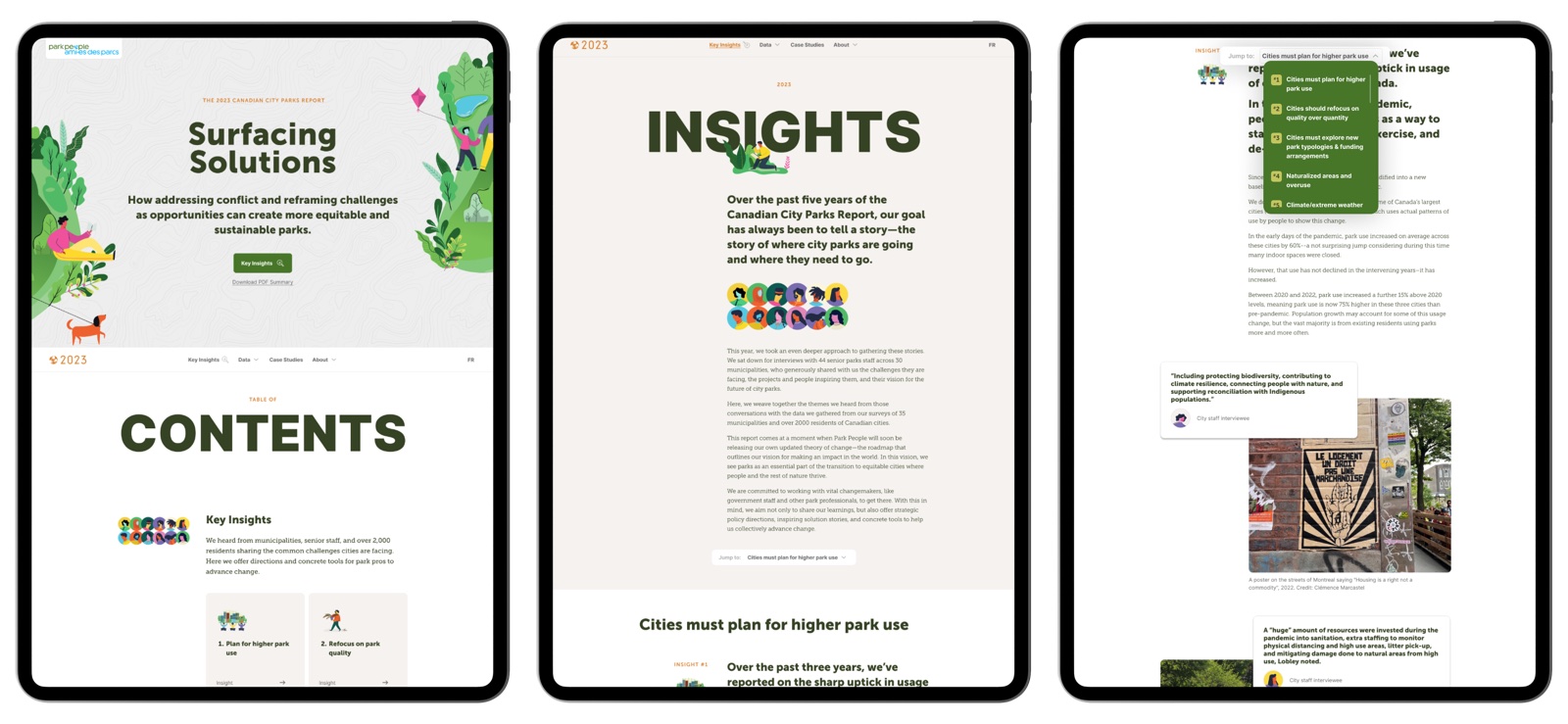
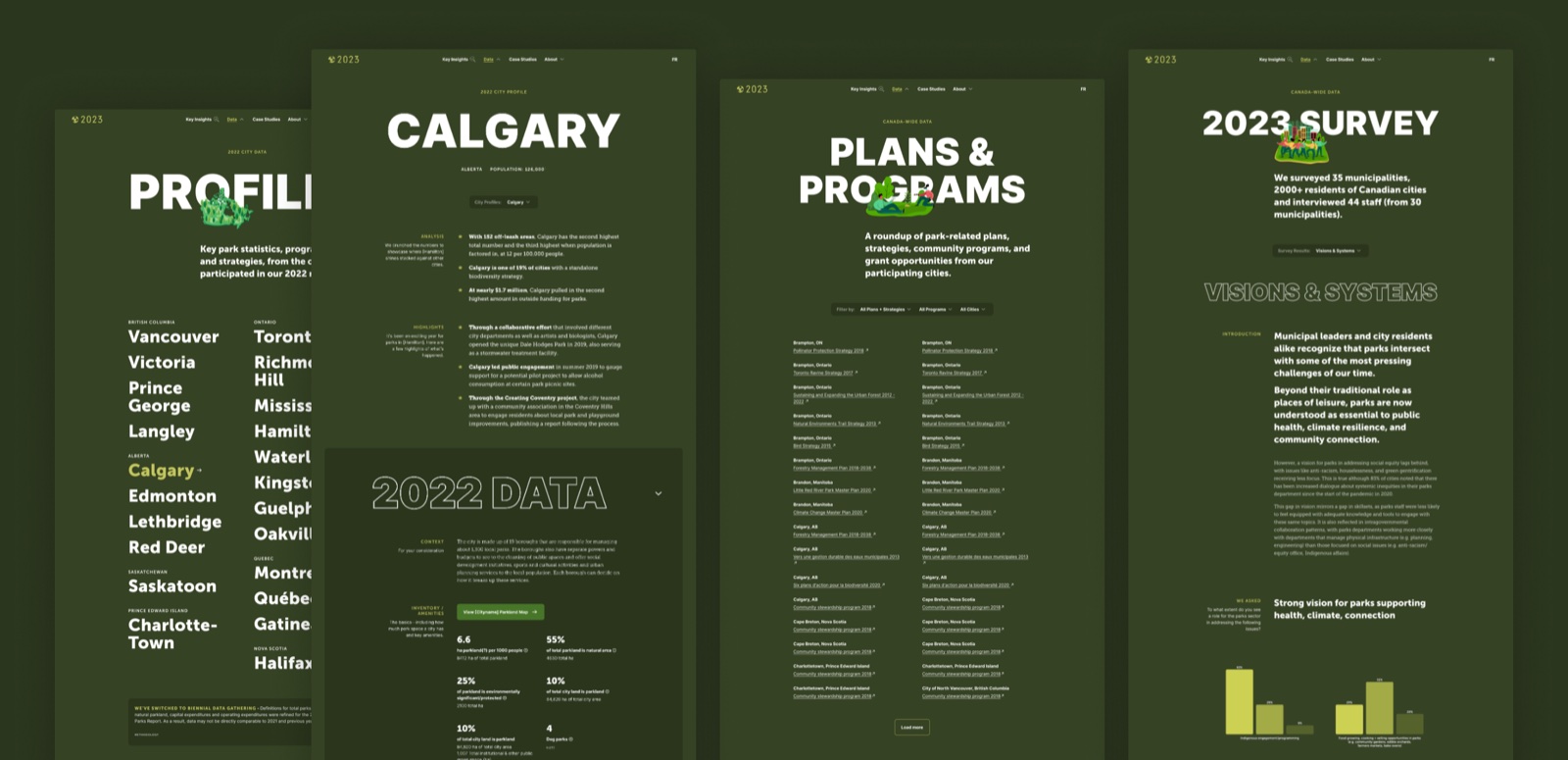
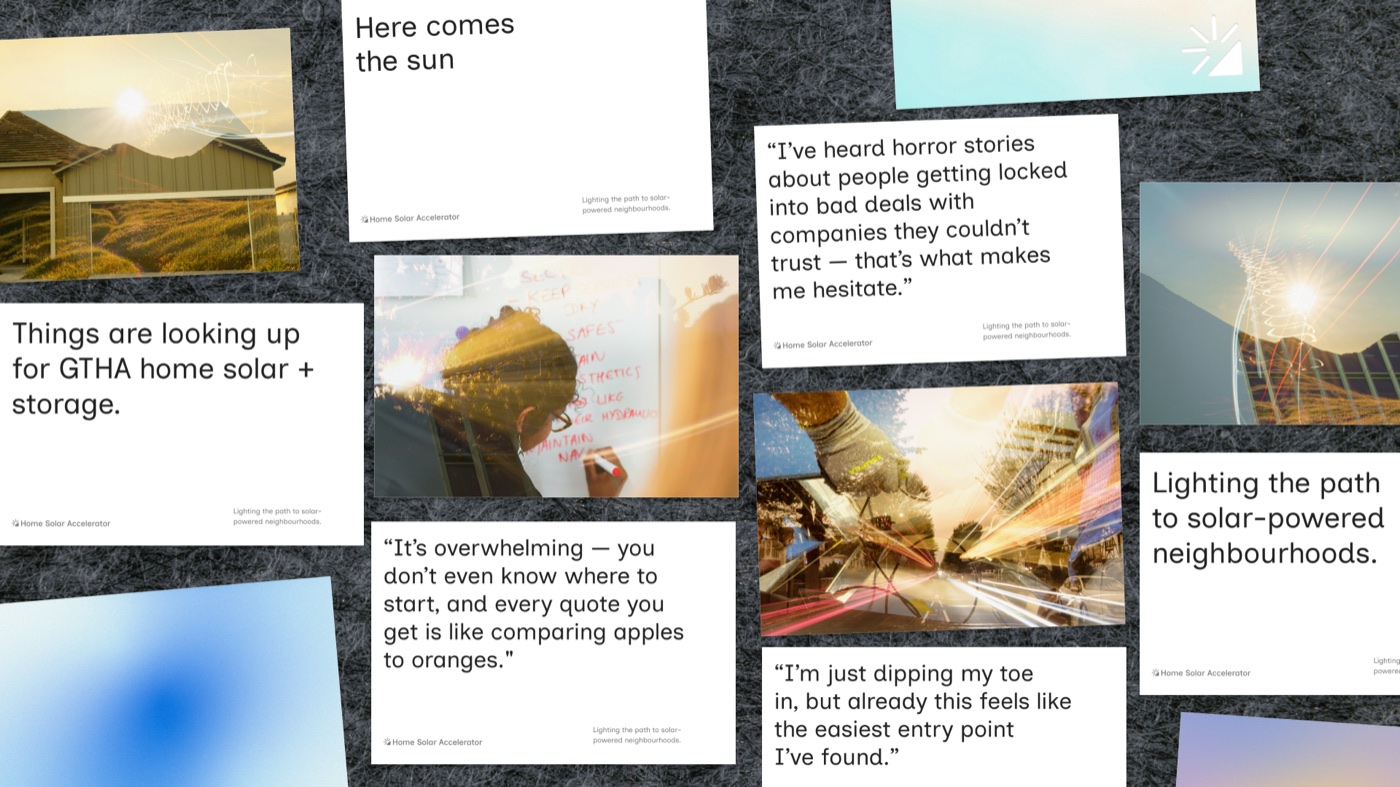
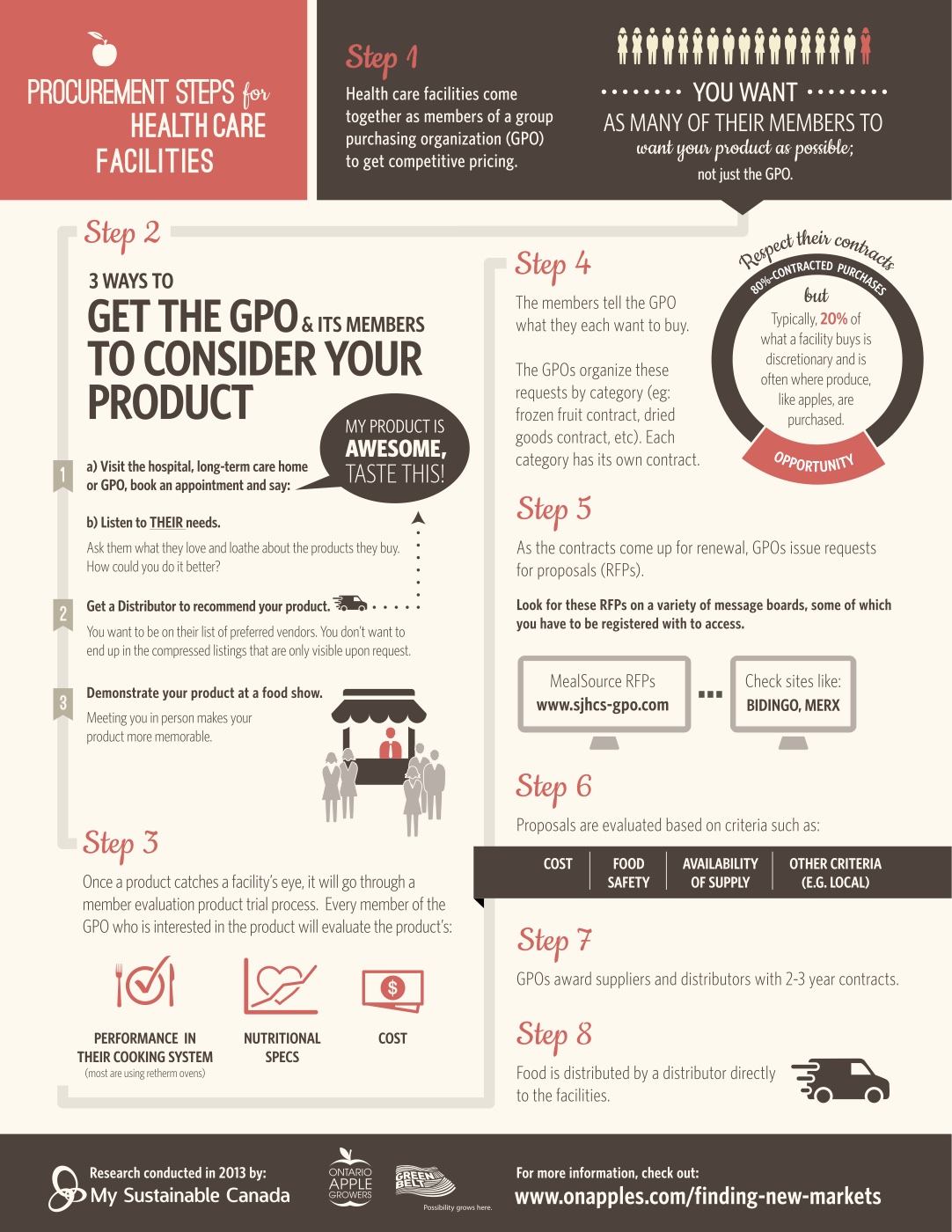
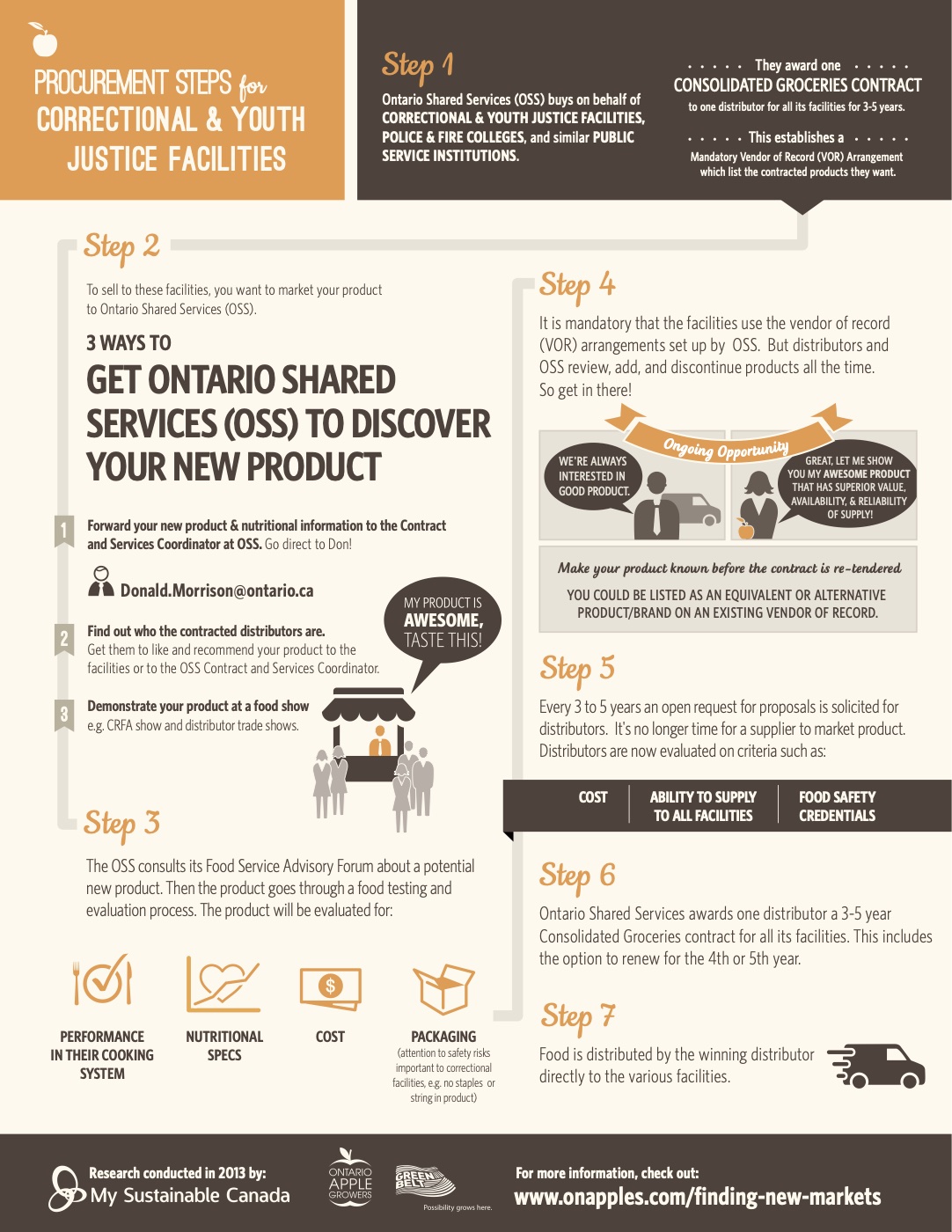
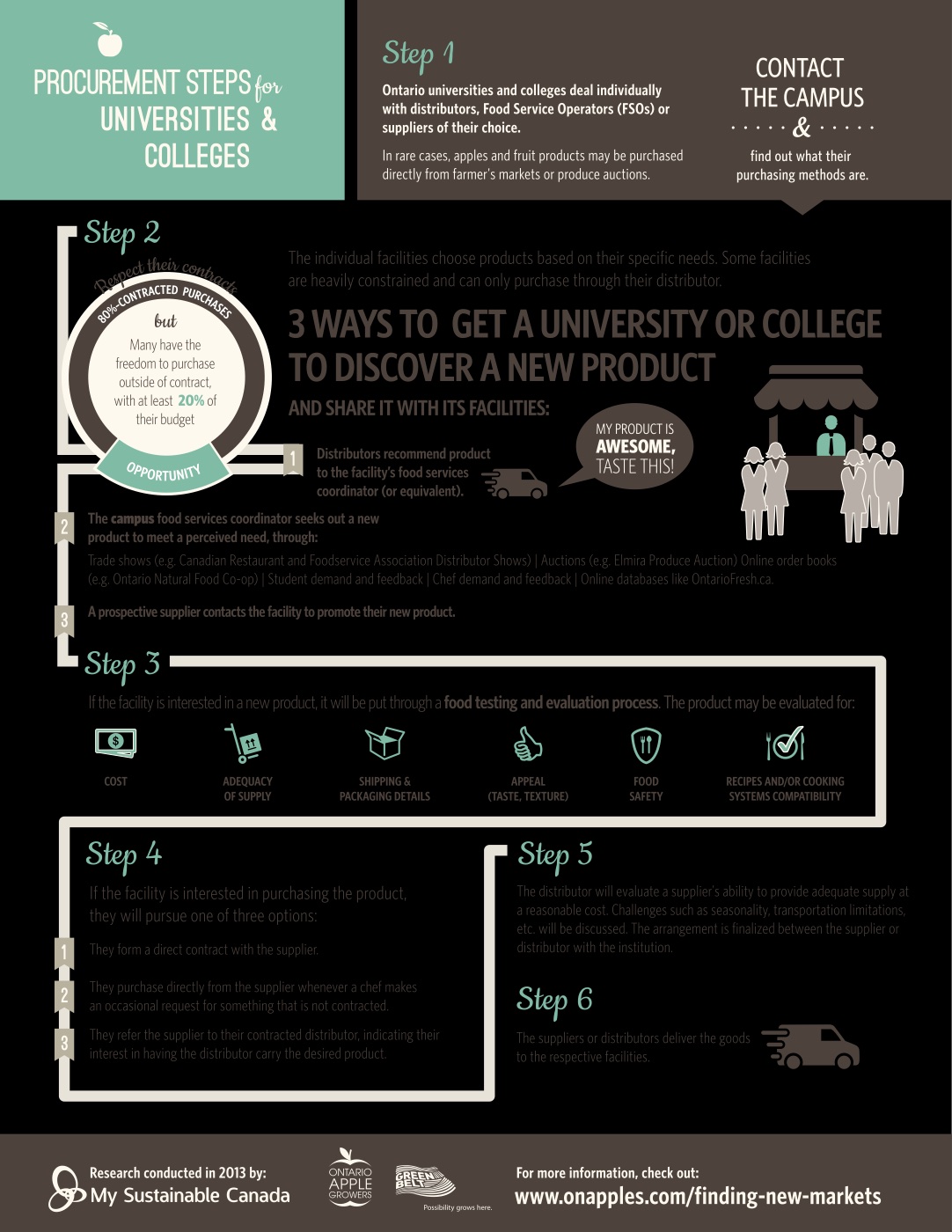
Making complex public-interest systems easier to understand, easier to participate in, and easier to stand behind. A sample of the work in adjacent and analogous territory.

"I learned every skill I use on social media from Barry Martin and his staff at Hypenotic. He taught me that social media is about communicating, not messaging."

Wayne Roberts · Former Manager, Toronto Food Policy Council · 100,000+ followers at peak

"Hypenotic is more than an agency — they're true partners. As mentors, collaborators, and problem-solvers, they help us think bigger and navigate complexity with confidence."

Jennie Wedd
Senior Manager, Marketing & Partnerships · Venture for Canada

"Barry and his team were instrumental in helping us strategize about user needs and our priorities. They anticipated our imperatives. They were responsive and always available. They demonstrated the highest standards of congeniality and good cheer."

Robin Rix
Director · Office of the Lieutenant Governor of Ontario

Want a closer look at any of these — or details on something we haven't named? Drop Jodi a line and we'll send what's useful.

Jodi leads.

A small senior team Jodi can turn to for domain expertise — big enough to handle the full discipline range, small enough not to make the Foundation manage every department separately.

Jodi Lastman
Jodi Lastman
Director of Client Strategy · Day-to-day lead
Stakeholder coordination, project rhythm, engagement planning. Seven years at Park People — grew the Canadian City Parks Report from first edition into sector reference; client-side experience with Greenbelt-funded grant programs.
Barry A. Martin Founder & Creative Director Strategic direction, narrative framing, editorial direction, client relationship.
Patrick Robinson Producer Production planning, schedule management, asset coordination, quality control, media buying and coordination.
Josh Millard Design Lead Report design direction, campaign design, data visualization, public-facing materials.
Lionel Mann Director of Development Technical architecture, web development, interactive maps, database / CRM support.

Pragmatics.

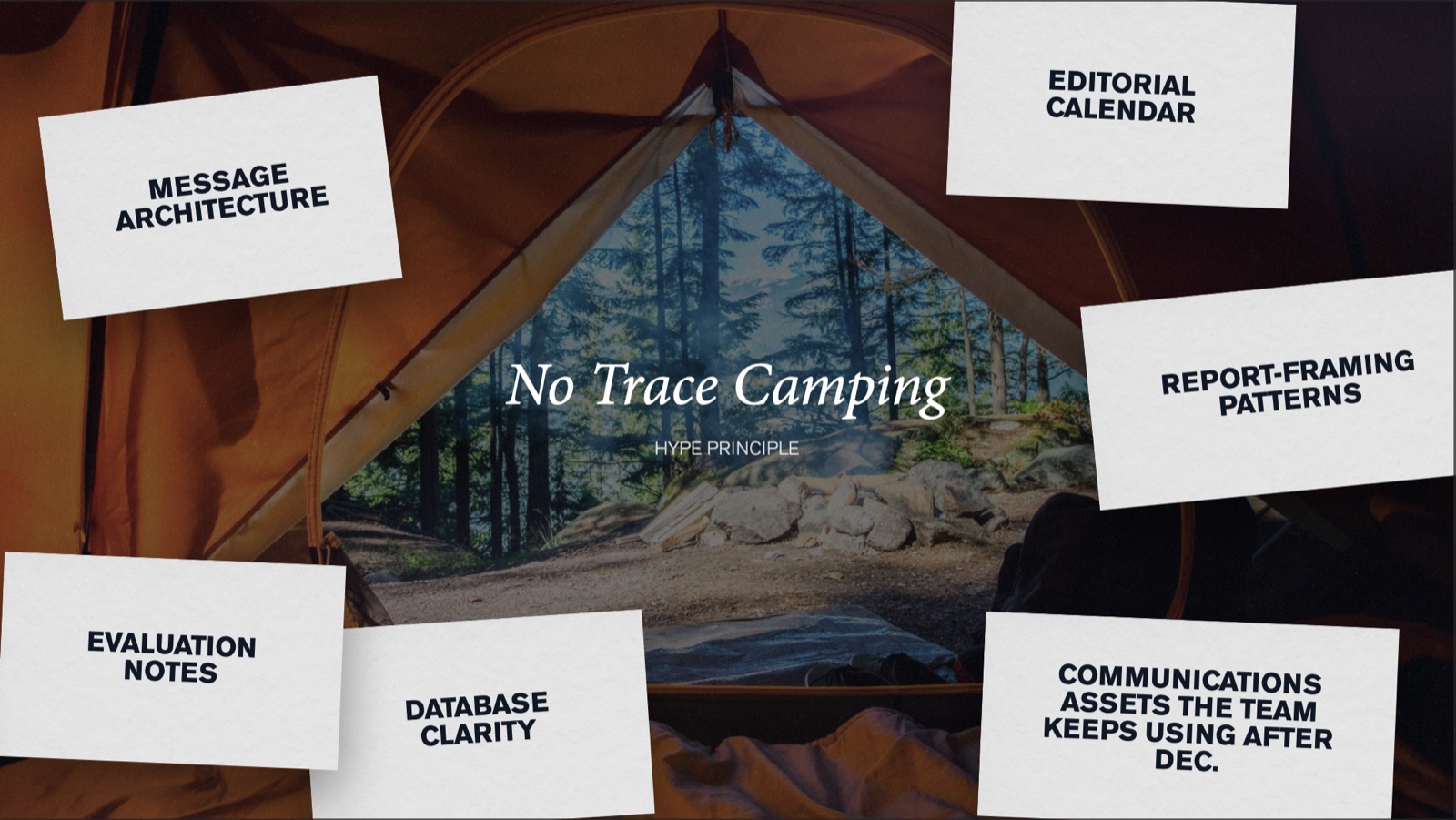
No Trace Camping — the work that stays behind
Closing principle · No Trace Camping
We call this No Trace Camping. The work leaves the Foundation in better communication and technical problem-solving conditions than we found you — with perspectives, tools, systems, and institutional knowledge that build velocity for whatever comes next. The engagement runs eight months. What it leaves behind keeps doing the work.